
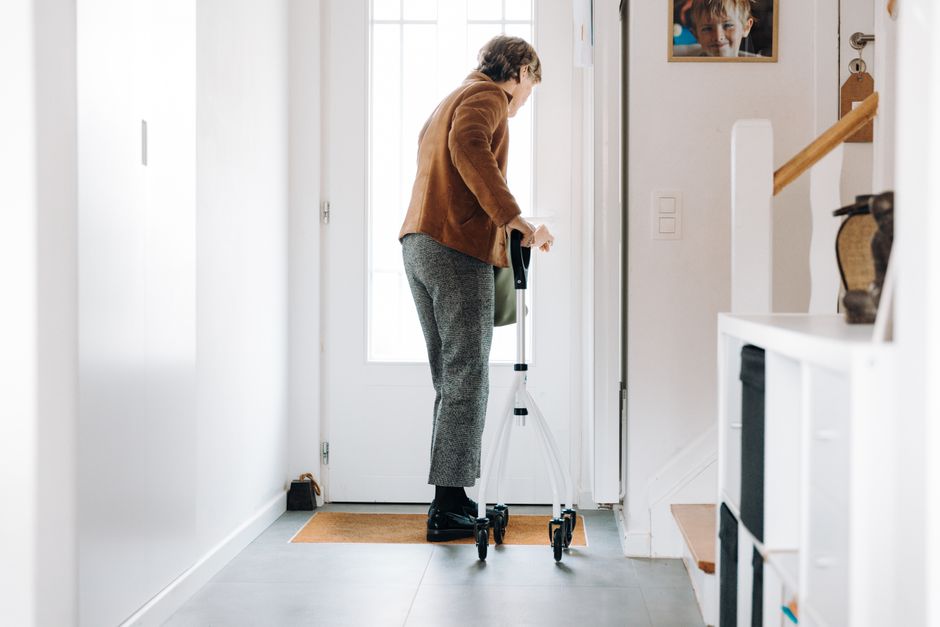
Assisted living can support senior mobility by combining a safer living environment, daily movement opportunities, personalized assistance, and regular attention to changing health needs. The goal is not simply to help residents get from one room to another. It is to preserve strength, confidence, independence, and participation in everyday life.
How does assisted living support mobility?
Assisted living promotes mobility by making movement part of the daily routine rather than treating it as a separate task. Residents may walk to meals, participate in group activities, move through common areas, or practice everyday skills with appropriate support.
This regular activity can help prevent the deconditioning that sometimes follows a fall, illness, hospitalization, or long period of sitting. Even short, repeated periods of movement may help maintain leg strength and confidence.
Support may include:
- Assistance with walking, transfers, or repositioning
- Reminders to use a walker, cane, or other mobility aid correctly
- Help getting to meals, activities, outdoor areas, or appointments
- Exercise and balance activities suited to individual abilities
- Observation of changes in gait, stamina, pain, or steadiness
The right level of assistance encourages a resident to do as much as safely possible instead of taking over every movement.
Why is daily movement important for older adults?
Daily movement helps maintain the physical abilities used for common activities such as standing from a chair, getting dressed, using the bathroom, and walking across a room. Strength, balance, flexibility, and endurance all contribute to functional independence.
Movement may also support:
- Better balance and coordination
- Stronger muscles and bones
- Improved circulation
- Greater confidence after an illness or fall
- More opportunities for social interaction
- Better mood and sleep
A common misconception is that rest is always the safest choice for someone who is unsteady. Excessive inactivity can lead to weaker muscles and less confidence, which may make movement more difficult. Rest is necessary after illness or injury, but a safe plan usually includes gradual activity as recovery allows.
What types of mobility activities are common?
Mobility activities in assisted living may range from structured exercise to ordinary daily tasks. The activity should match the resident’s health, interests, balance, pain level, and ability to follow instructions.
Examples include:
- Seated leg lifts, ankle movements, and gentle stretching
- Sit-to-stand practice using a stable chair
- Short walking sessions in hallways or other level areas
- Balance exercises performed near a secure support
- Light resistance exercises for the arms and legs
- Guided movement classes
- Walking groups or purposeful trips to common areas
- Recreational activities that involve reaching, standing, or changing position
Some residents may benefit from several brief activity periods instead of one longer session. A person who becomes tired after walking for ten minutes may still gain value from two or three shorter walks spread throughout the day.
How does the building itself affect mobility?
The physical setting can either encourage movement or make it harder. An accessible assisted living residence generally uses features such as clear walkways, adequate lighting, handrails, elevators, accessible bathrooms, and seating areas where residents can rest.
Good design also reduces unnecessary hazards. Loose rugs, clutter, poor lighting, slippery floors, and furniture that blocks walking paths can increase fall risk. Bathrooms and bedrooms deserve particular attention because transfers and nighttime walking may be challenging.
In Hampton, seasonal conditions can also affect mobility. Snow, ice, wet entryways, and bulky winter clothing may make walking more difficult during colder months. Residents and families may need to ask how outdoor paths, entrances, and transportation areas are managed during changing weather. Indoor walking routes can be especially useful when outdoor surfaces are unsafe.
Can assisted living help prevent falls?
Assisted living can reduce some fall risks, but it cannot eliminate them. Fall prevention usually involves several steps rather than a single exercise or safety device.
Helpful measures may include:
- Reviewing previous falls and near-falls
- Checking whether footwear fits securely
- Monitoring dizziness, weakness, or changes in walking
- Keeping needed items within easy reach
- Encouraging the correct use of mobility aids
- Improving lighting, especially at night
- Reviewing medications that may affect alertness or balance
- Offering strength and balance activities
- Making sure residents know how to request assistance
A fall should not automatically be viewed as an unavoidable part of aging. It may signal a change in strength, vision, medication effects, balance, footwear, or health status. Reporting a fall or near-fall can help the care team identify patterns before another incident occurs.
What role does individualized support play?
Mobility needs vary considerably. One resident may walk independently but need reminders to slow down. Another may need help transferring from a bed to a wheelchair. A third may be recovering from surgery and require a temporary increase in support.
Individualized planning may consider:
- Current walking ability
- Use of a cane, walker, wheelchair, or other aid
- History of falls
- Arthritis, stroke, Parkinson’s disease, or other conditions
- Vision and hearing
- Pain and fatigue
- Ability to follow safety directions
- Personal goals, such as walking to meals or joining activities
The plan should be updated when a resident experiences a fall, hospitalization, new diagnosis, medication change, or noticeable decline in endurance. Mobility assistance should also be respectful. Offering a steadying hand or clear instructions can help preserve dignity and confidence.
Does assisted living replace physical therapy?
No. Assisted living staff may support daily movement, but physical therapy is a specialized service. A physical therapist can assess walking mechanics, strength, balance, transfers, and equipment needs, then develop a treatment plan for a specific condition or recovery goal.
A resident may need a therapy evaluation after a fall, surgery, stroke, prolonged hospitalization, or sudden change in walking. After formal therapy ends, assisted living staff may help the resident continue approved exercises and mobility habits as part of daily life.
Families should ask whether a residence can accommodate therapy visits, follow exercise instructions, and communicate changes in mobility to the appropriate healthcare professionals.
How can families encourage safe mobility?
Families can help by focusing on practical goals instead of expecting a particular pace or distance. A useful goal might be walking safely to the dining room, standing long enough to complete grooming, or joining one activity each afternoon.
Helpful questions include:
- Has walking ability changed recently?
- Does the resident appear more tired or hesitant?
- Are there repeated near-falls?
- Is a mobility aid being used correctly?
- Are pain, dizziness, or medication side effects limiting activity?
- What activities does the resident enjoy?
- Are seasonal conditions affecting outdoor movement?
Encouragement works best when it is calm and specific. Praise for effort, consistency, and safe choices may be more helpful than urging someone to move faster or farther.
Mobility in assisted living is best understood as an ongoing part of health and independence. Safe design, daily activity, individualized assistance, fall prevention, and timely reassessment can help residents remain active in the routines and relationships that give daily life meaning.
