
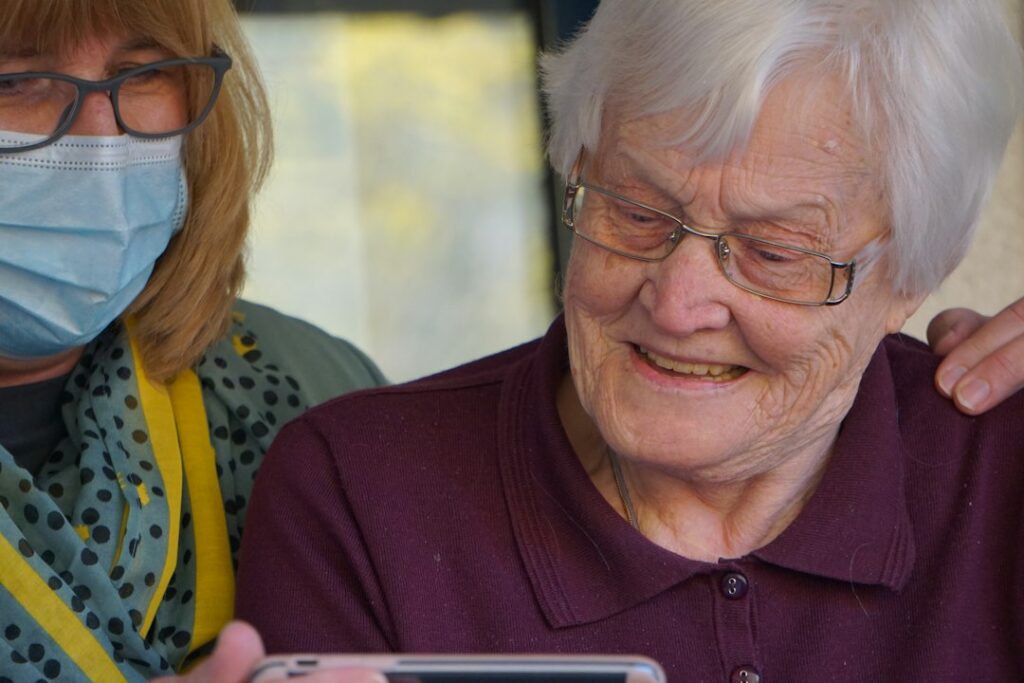
Assisted living should provide a supportive home environment while reducing preventable risks such as falls, medication errors, respiratory infections, foodborne illness, and emergency hazards. For residents and families in Hampton, PA, understanding the basic safety protocols can make it easier to recognize good practices, ask useful questions, and respond appropriately when conditions change.
What safety standards apply in assisted living?
Assisted living residences in Pennsylvania are licensed and regulated by the state Department of Human Services. Safety requirements cover areas such as staff training, resident health and personal care, emergency planning, food service, physical conditions, fire safety, and infection prevention.
Assisted living is not the same as a nursing home. The level of medical care, staffing, and supervision may differ, so residents and families should understand what services a particular residence is equipped to provide. A safe setting should also have clear procedures for identifying when a resident’s needs have become more complex than the residence can safely manage.
Basic safety systems commonly include:
- Staff orientation and ongoing training
- Procedures for reporting changes in a resident’s condition
- Emergency contact information and evacuation plans
- Medication storage, administration, and documentation
- Fall-risk assessments and mobility support
- Routine cleaning and maintenance
- Fire alarms, smoke detectors, and carbon monoxide protection
- Policies for visitors, illness, outbreaks, and hand hygiene
Safety is not limited to preventing accidents. It also means noticing early warning signs and responding before a minor concern becomes a serious event.
How are infections prevented in assisted living?
Infection prevention depends on several layers of protection rather than one rule. Hand hygiene, cleaning, vaccination, ventilation, symptom monitoring, and prompt communication all work together.
Residents in shared living environments may have more opportunities for exposure to respiratory viruses and gastrointestinal infections. Older adults and people with chronic medical conditions can also become seriously ill more quickly, even when symptoms initially appear mild.
A sound infection-prevention program should address:
- Handwashing and alcohol-based hand sanitizer access
- Cleaning and disinfection of frequently touched surfaces
- Safe handling of laundry, dishes, food, and waste
- Respiratory hygiene, including covering coughs and sneezes
- Use of masks, gloves, gowns, or eye protection when appropriate
- Procedures for testing, treatment, and monitoring
- Communication with families when illness affects a resident or community
- Staying home or away from resident-care duties when staff are sick
Alcohol-based hand sanitizer is useful when hands are not visibly dirty. Soap and water are preferred when hands are visibly soiled, after restroom use, and in situations involving certain gastrointestinal infections.
What should residents know about respiratory illnesses?
Flu, COVID-19, RSV, and other respiratory infections can spread through close contact, shared indoor air, contaminated hands, and respiratory droplets. Symptoms may include cough, fever, sore throat, unusual tiredness, congestion, shortness of breath, vomiting, or a sudden change in alertness.
Residents should tell staff promptly about new symptoms rather than waiting to see whether they disappear. Early reporting may allow staff to arrange testing, treatment, increased observation, or temporary separation from group activities.
During periods of increased respiratory illness, a residence may use additional precautions such as:
- Masking for symptomatic individuals or during an outbreak
- Increased cleaning of shared surfaces
- Temporary changes to communal dining or group activities
- Screening visitors or staff for symptoms
- Improving ventilation or using air-cleaning measures
- Separating people with symptoms from those who are well
- Encouraging visitors with respiratory symptoms to postpone non-urgent visits
These steps are not necessarily signs that a facility is unsafe. Temporary precautions can indicate that staff are responding to a known increase in illness and trying to limit spread.
Recommended vaccines should also be discussed with a resident’s healthcare practitioner. Vaccination decisions depend on age, health history, previous doses, allergies, and current public health recommendations.
What should happen if a resident becomes ill?
A residence should have a written process for recognizing illness, notifying appropriate clinical contacts, documenting symptoms, and communicating with the resident’s representative when permitted.
Families may reasonably ask:
- Who is notified when a resident develops a fever, cough, diarrhea, or confusion?
- How quickly are symptoms documented and reassessed?
- What testing or treatment options are available?
- How are other residents protected from exposure?
- When is emergency medical evaluation needed?
- How will updates be communicated?

Not every illness requires hospitalization, but sudden breathing difficulty, chest pain, fainting, severe dehydration, new one-sided weakness, uncontrolled bleeding, or a major change in mental status requires urgent medical attention.
A new or worsening confusion can be an early sign of infection, dehydration, medication effects, or another serious condition. It should not automatically be dismissed as normal aging or dementia.
How do assisted living residences reduce falls and other accidents?
Fall prevention begins with understanding why a person is at risk. Contributing factors may include poor vision, unsafe footwear, dizziness, weakness, unfamiliar surroundings, medication side effects, wet floors, clutter, or a sudden change in walking ability.
Practical safeguards include:
- Adequate lighting in bedrooms, hallways, bathrooms, and entrances
- Clear walking paths and secured rugs
- Grab bars and properly fitted mobility equipment
- Prompt cleanup of spills
- Assistance with transfers when needed
- Properly maintained wheelchairs, walkers, and beds
- Medication reviews when dizziness or sleepiness develops
- Regular reassessment after a fall or near-fall
Pennsylvania regulations also address physical conditions and resident safety. However, residents and families should still report hazards rather than assuming someone else has noticed them. A loose handrail, icy walkway, poor lighting, or malfunctioning call system can create immediate risk.
Seasonal conditions deserve special attention in Hampton, PA. Winter ice, snow, wet entryways, early darkness, and tracked-in moisture can affect outdoor travel and indoor floors. Warm-weather concerns may include dehydration, heat exposure, insects, and reduced indoor air quality during extreme temperatures.
How are medication and food-related risks controlled?
Medication safety requires accurate records, secure storage, correct timing, and clear documentation of missed or refused doses. Residents should be able to ask what a medication is for and report side effects such as dizziness, unusual sleepiness, rash, diarrhea, or confusion.
Food safety is equally important. Staff should follow proper refrigeration, cooking, serving, allergy, and sanitation procedures. Residents with swallowing difficulties, diabetes, food allergies, or special diets need accurate communication between the residence, family members, and healthcare practitioners.
A sudden change in appetite, repeated coughing during meals, vomiting, diarrhea, or difficulty swallowing should be reported promptly.
What emergency preparations should residents ask about?
A residence should prepare for fire, severe weather, power failure, water interruption, communication problems, and infectious disease outbreaks. Emergency plans should account for residents who need help walking, use oxygen or powered equipment, have memory impairment, or require refrigerated medication.
Useful questions include:
- Where do residents go during an evacuation?
- How are medications and medical records handled during an emergency?
- What happens during a prolonged power outage?
- How are families notified?
- Are backup communication methods available?
- How often are emergency procedures reviewed and practiced?
Residents and families should keep emergency contacts, medication information, advance directives, and healthcare details current. Clear information helps staff respond more safely when conditions change quickly.
What can residents and visitors do every day?
Residents, families, and visitors are part of the safety system. Simple habits can reduce risk without isolating people from normal activities.
Visitors should postpone non-urgent visits when experiencing fever, vomiting, diarrhea, or significant respiratory symptoms. Everyone should clean their hands upon entering and leaving, cover coughs and sneezes, follow posted precautions, and avoid sharing drinks, utensils, or personal items.
Residents can also speak up about unsafe conditions, new symptoms, medication concerns, missed assistance, or changes in mobility. A respectful question or early report often gives staff a chance to correct a problem before it causes harm.
