

How Are Holidays Recognized in Assisted Living?
Holidays are observed in assisted living communities with meaningful activities that encourage togetherness, tradition, and personal expression. Staff and residents work together to ensure days like Thanksgiving, Hanukkah, Christmas, and the New Year feel special, even within a communal living environment.
Participation is voluntary and flexible. Residents can join group celebrations, decorate personal spaces, or opt for quieter, individual observances. Activities often reflect the values, backgrounds, and traditions of local households, ensuring everyone feels included.
Can Residents Still Enjoy Their Family’s Traditions?
Most assisted living communities encourage residents to keep family traditions alive. In Hampton, some families might bring in cherished dishes, exchange gifts, or share religious observances with their loved ones.
While privacy and space are different than in a single-family home, thoughtful planning makes traditions possible:
- Families can schedule visits around community events, so residents participate in both.
- Residents may use community rooms for gatherings with advance notice.
- Personal rooms can be decorated with meaningful keepsakes, cards, or favorite foods (within safety guidelines).
How Do Assisted Living Activities Adapt to Residents’ Needs?
Events and celebrations are tailored to a variety of abilities and interests. Whether a resident enjoys singing carols, crafting ornaments, attending religious services, or simply savoring a favorite holiday meal, activities are adapted for accessibility.
For example:
- Programs are scheduled at times that fit residents’ daily routines.
- Decorations are placed for easy navigation without blocking walkways or triggering hazards.
- Menus can be adjusted for dietary needs, with input from residents or their families.
- Activities can include sensory-friendly elements (soft lighting, quiet music) for those with cognitive or sensory challenges.
No one is required to participate in any activity — accommodations are made to respect personal preferences and comfort levels.
What Are Common Examples of Holiday Activities in Assisted Living?
Celebrations generally include a mix of communal and individual experiences. Examples include:
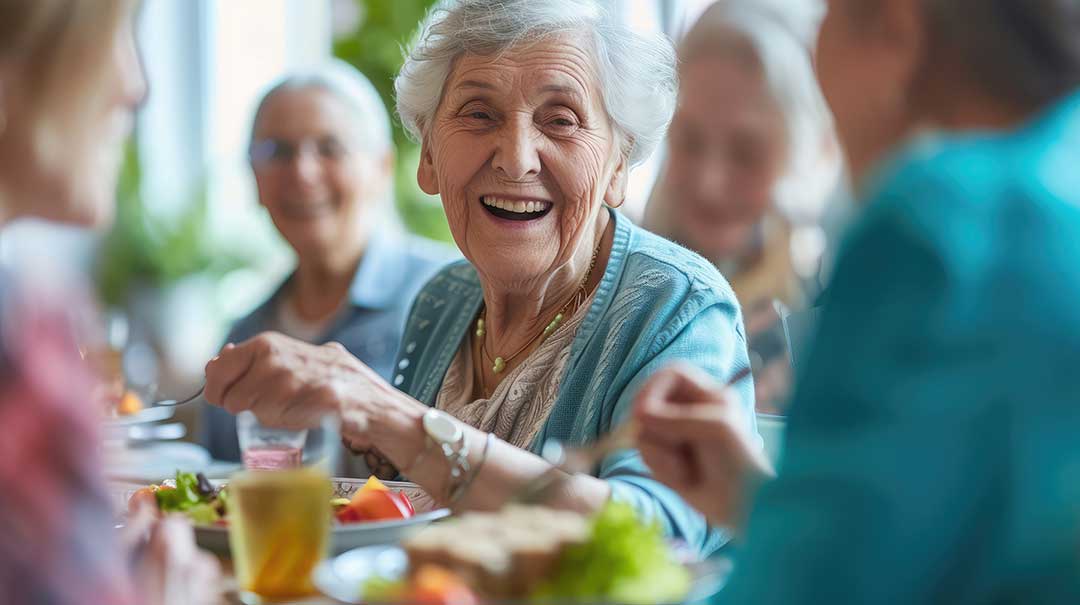
- Group meals with seasonal favorites
- Holiday music and sing-alongs
- Crafting (cards, wreaths, or simple decorations)
- Movie nights with classic holiday films
- Reminiscence sessions for sharing past holiday memories
- Visits from local school choirs or volunteer groups
- Card and gift exchanges among residents
Residents can usually suggest new ideas or request adaptations to make activities more meaningful for their backgrounds or beliefs.
What About Religious Observances?
Most communities in Hampton respect and support diverse religious traditions during holidays. This may include organizing group services, bringing in local faith leaders, or supporting in-room observances for residents who prefer private worship.
Staff will often help residents connect to services via television, video calls, or recordings if travel or mobility is a concern. Residents are free to request accommodations for dietary restrictions or ritual items (such as menorahs, Advent calendars, or prayer books) within safety regulations.
How Can Families Stay Involved During the Holidays?
Family participation is encouraged, though logistics may differ from hosting at home.
- Coordinate with staff on planned events, visitor policies, and safe foods or decorations.
- Join group celebrations when appropriate, or arrange private visits for gift-giving or special rituals.
- Use technology for virtual visits if traveling is difficult, especially during winter weather.
- Send cards, letters, or small decorations to brighten residents’ rooms.
During storms or icy conditions typical in the area, families are encouraged to plan ahead and use local weather forecasts to decide on travel or virtual celebrations.
What If a Resident Feels Lonely While Others Celebrate?
Feelings of loneliness or missing past holiday routines are common in assisted living. Staff are usually attentive to residents who may feel isolated, especially during family-focused times.
Residents can express their preferences for quieter observances or request one-on-one time with friends, activity staff, or spiritual care providers. Many communities also encourage peer support, with residents gathering in small groups for conversation or memory sharing, such as:
- Informal tea or coffee times
- Sharing favorite stories or photos
- Quiet companionship during televised events
Asking for small adjustments or suggesting new traditions can help make celebrations more comfortable and personal.
Are There Tips for Making Holidays Feel More Like Home?
Residents can take several simple steps to create a festive, familiar atmosphere:
- Display favorite decorations (as permitted by safety rules)
- Arrange photos, cards, or memory books where they’re easily seen
- Listen to playlists of holiday music from home
- Wear special clothing or accessories for the day
- Savor treats or drinks that bring back happy memories
Staff can often help with setup or planning so residents enjoy their traditions without feeling overwhelmed.
Are Any Holiday Practices Not Permitted?
Some activities aren’t allowed for safety reasons. For example, burning candles, stringing old extension cords, or displaying glass ornaments in high-traffic areas may be restricted. Ask staff before bringing decorations or homemade foods, especially if they could pose allergy or choking risks to others.
Fire codes and health rules in Pennsylvania guide these decisions, helping to keep everyone safe during celebrations.
