

As our loved ones age, life presents an array of changes—retirement, health challenges, moving to a new home, or the loss of close friends or family members. For seniors, these transitions can feel overwhelming, especially when routines and familiar surroundings are disrupted. In Hampton, Pennsylvania, where the close-knit community and scenic environment create a unique backdrop for aging, providing support through these changes is both a responsibility and an opportunity for families and caregivers.
Understanding Why Change is Difficult for Seniors
Change, in any form, can trigger anxiety, sadness, or confusion for older adults. This is particularly true when change means losing independence or adjusting to new living arrangements such as assisted living. Some common reasons why seniors struggle with change include:
- Fear of the unknown or loss of control
- Attachment to home, belongings, and memories
- Physical and cognitive limitations that make adaptation harder
- Grief over lost relationships or routines
Recognizing these root causes helps family members, neighbors, and senior care professionals in Hampton to offer empathy and tailored support to those experiencing big life transitions.
The Unique Lifestyle Factors in Hampton, PA
Hampton is renowned for its green spaces, safe neighborhoods, and a community spirit that often revolves around local events, parks like Hampton Community Park, and faith-based organizations. Many seniors in this area have deep roots and established social circles. Moving away from these can be unsettling. As such, local families should consider ways to keep seniors engaged with their favorite Hampton pastimes and social connections even if circumstances change.
Practical Tips for Helping Seniors Cope With Change
1. Maintain Open and Honest Communication
Communication is paramount. Discuss upcoming changes with your loved one in a gentle, honest manner as early as possible. Listen to their concerns and validate their feelings.
- Use open-ended questions to invite participation in decisions.
- Avoid overwhelming seniors with too much information at once.
- Involve them in planning, whether it's visiting potential new homes or organizing keepsakes.
2. Preserve Familiar Routines
Sticking to familiar routines provides reassurance during uncertain times. In Hampton, this might mean taking regular walks around the neighborhood, attending favorite local church services, or participating in beloved activities at the Hampton Senior Center.
- Set regular times for meals, medication, and social calls.
- Encourage continuation of hobbies such as gardening or book clubs, even if it’s in a new environment.
3. Leverage Community Resources
Hampton offers multiple resources to support seniors, from recreational programs to volunteer organizations like Hampton Rotary or community outreach projects. Tapping into these helps seniors stay active and involved.
- Enroll in classes or groups at local community centers.
- Utilize transportation services if mobility is an issue, ensuring access to parks, shops, or friends.
- Seek support groups for caregivers and seniors experiencing change.
4. Support Emotional Well-being
Change can trigger feelings of grief or depression. Be mindful of the signs and seek professional help if needed.
- Offer gentle encouragement and positive reinforcement.
- Help seniors connect with friends, grandchildren, or former colleagues.
- Encourage attendance at local social or faith-based gatherings.
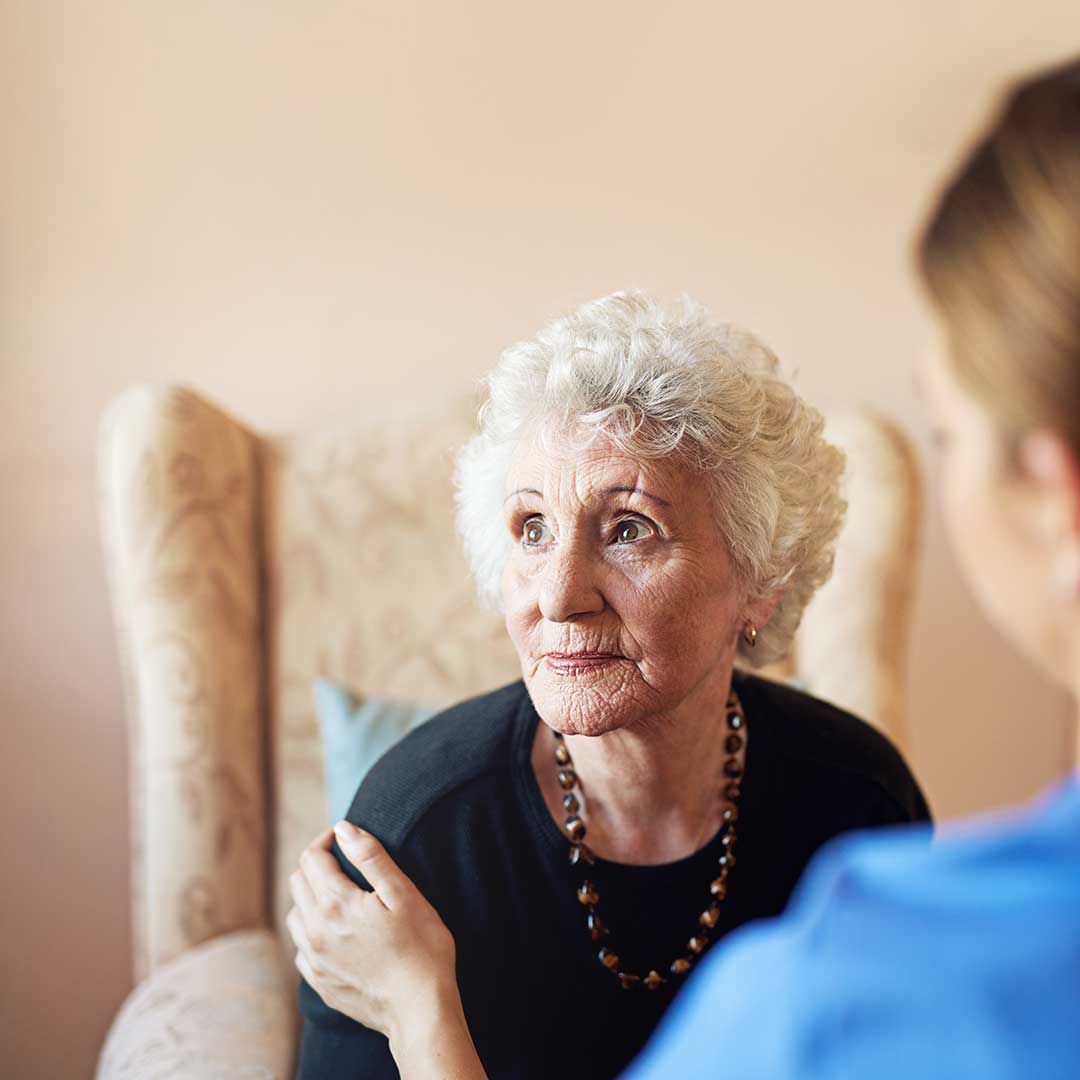
5. Make the New Environment Feel Like Home
If a move to assisted living or a different home is necessary, make the transition as seamless as possible by personalizing the space.
- Decorate with treasured photos, familiar furniture, and cherished mementos from Hampton life.
- Incorporate familiar smells (a favorite candle or flowers from the backyard) and sounds (music from the local symphony or church).
- Encourage visits from neighbors and long-time friends.
Encouraging Social Connections
Maintaining social connections is crucial to helping seniors adjust. Hampton’s culture of neighborliness can be a great asset:
- Organize visits with local friends.
- Participate in community events, such as arts fairs, concerts in the park, or local farmers markets.
- Facilitate phone and video calls for family members who live further away.
Even minor efforts—like an afternoon trip to North Park or attending a craft fair—can have a significant positive impact on a senior’s outlook during a transition.
When Professional Help is Needed
Sometimes, change leads to ongoing emotional distress that family alone cannot address. Symptoms like withdrawal, excessive worry, or loss of appetite might indicate depression or an anxiety disorder. Consulting a local geriatric counselor, primary care physician, or social worker can provide additional support.
In Hampton, seniors and their families are fortunate to have access to reputable healthcare facilities and trained mental health professionals experienced in elder care. Early intervention can make transitions smoother and more positive.
Embracing New Possibilities
While change is inherently challenging, it also opens doors to new experiences, friendships, and opportunities. Hampton’s dynamic senior community, with its myriad resources and deep reservoir of neighborly support, offers countless ways for seniors to stay engaged and fulfilled—whether it’s by joining a book club, learning a new skill at the community center, or just rediscovering the joys of their own backyard.
As families support their aging loved ones, embracing both the difficulties and the opportunities of change can help seniors find renewed purpose and happiness, right here in Hampton, Pennsylvania.
